

In recent years, vaping has soared in fame, captivating a wide range of users from young adults to adults. What began as a specific option for smokers has transformed into a cultural phenomenon, impacting community events, fashion choices, and even internet dialogues. The appeal of vaping lies not only in its various flavors and stylish devices but also in the community that has emerged around it, driven by a need for self-expression and exploration.
As more people have moved to vaping, the trend has triggered discussions about safety, habits, and the technological era. With online platforms filled with visuals of intricate vape clouds and debates surrounding the latest vaping devices, the trend shows no signs of diminishing. Understanding how vaping became a common activity requires an investigation of its roots, its connection to quitting smoking, and its social consequences in contemporary culture.
The Ascent of Vaping Lifestyle
E-cigarette use arose as a new alternative to traditional smoking in the early 21st century, with pioneers seeking ways to administer nicotine without the harmful effects of burning. As technology advanced, e-cigarettes became more advanced, providing users a wide array of flavors and personalized experiences. This transition not only drew in smokers looking for a safer option but also captured the attention of non-smokers, particularly younger demographics, who found the vaping experience attractive and interactive.
Social media played a significant role in the spread of vaping community. Sites like Instagram and YouTube provided a platform for enthusiasts to share their journeys, showcase elaborate tricks, and highlight the newest devices. vaposeleccion.com contributed to a sense of togetherness among vapers, where users could interact with each other, share tips, and participate in challenges. The aesthetic nature of vaping, with its vibrant devices and smoke tricks, made it easy to sell, further fostering its popularity.
As vaping gained traction, it began to intersect with multiple youth scenes, such as sound and urban style. Events like vaping contests and expos became well-attended, creating a unique culture around the practice of vaping. The growing recognition of vaping as a way of life rather than just a smoking cessation tool established its position in contemporary youth culture, making it a popular and sought-after pastime.
Health Consequences of Vaping
Using e-cigarettes has gained traction among the youth, often perceived as a safer substitute to traditional smoking. However, this assumption may overlook the possible health risks associated with the use of vape products. Research has shown that many vape products contain dangerous substances, including addictive chemicals, which can lead to dependency. Additionally, the inhalation of various toxic compounds found in vaping liquids poses dangers to respiratory health.
Emerging studies have shown a correlation between vaping and various health problems, including higher rates of lung problems and heart stress. For instance, some users have experienced effects similar to those seen in cigarette users, such as a persistent cough and shortness of breath. There is also growing concern regarding the future implications of inhaling fume-based liquids, which remain largely uncertain, creating uncertainty around the sustainability of vaping as a healthier option.
Public health professionals continue to warn about the effects of vaping, particularly among youth. As e-cigarettes become more available and attractive to younger demographics, there is an immediate need for awareness regarding the possible risks. While some may use vaping as a method to stop smoking, the unintended consequences must be carefully evaluated to ensure that the trend does not lead to widespread health issues in the long term.
The Future of Vape Trends
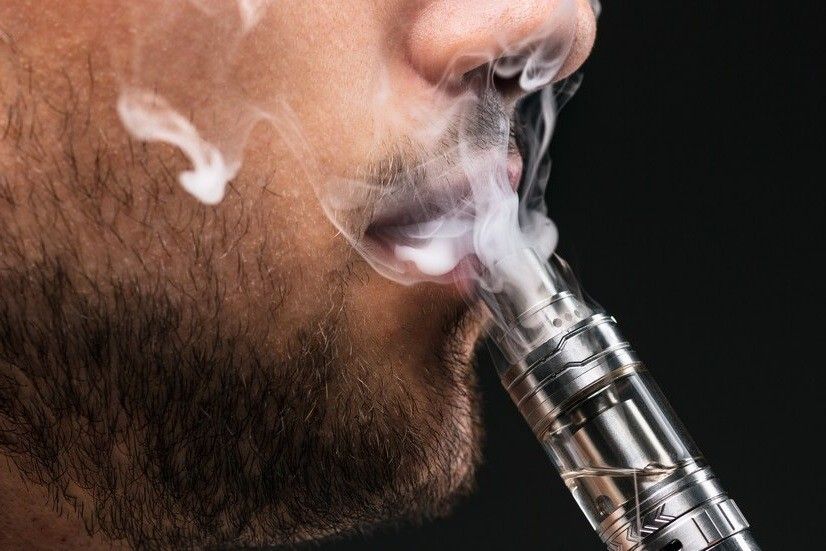
As the vape landscape keeps to evolve, creativity plays a key role in shaping its destiny. Companies are continuously developing new devices, flavors, and techniques aimed at improve user experience. Pod systems have surged in popularity due to their ease of use and mobility, appealing to both new and experienced vapers. This movement toward convenience and personalization suggests that the market will focus on developing products that meet individual needs, which may increases the appeal of vaping among varied consumer groups.
Regulations surrounding vaping are expected to affect its prospects substantially. As authorities around the globe implement tougher controls on e-cigarettes, manufacturers must navigate a complex landscape of compliance and safety standards. While these regulations aim to safeguard public health, they may also spark innovation in product design and marketing strategies. Companies that can adjust to these changes while being transparent about safety measures will probably gain a advantage in the evolving market.
Additionally, the public view of vaping is shifting. With an increasing focus on wellness and healthier lifestyles, many individuals are reevaluating the impact of vaping in their daily lives. As research continues to surface regarding the safety and long-term impacts of vaping, public opinion may change in either direction. If the narrative surrounding vaping becomes more positive, we could see a revival in its popularity, especially among youthful audiences who appreciate new experiences and trends.